

You can sell antiques outright to a dealer, list them yourself on an online marketplace, or consign suitable pieces to an auction. Choosing where to sell antiques means weighing the likely proceeds, the work involved and the way the selling price will be determined.
Perhaps you have a cabinet of family china, an antique desk that will not fit your next home, or a collection you no longer want to keep. The useful question is not simply who will buy it. It is which selling arrangement fits the objects and your priorities.
Three selling options, three different arrangements
| Route | How the price is set | Your role | Question to ask |
|---|---|---|---|
| Dealer buying outright | You accept or decline a purchase offer. | Agree on the price and transfer arrangements. | Is this an outright purchase or a consignment proposal? |
| Your own online listing | You set an asking price or use the platform’s sale format. | Describe the item, answer questions and arrange fulfillment. | What fees, packing and delivery work will I handle? |
| Auction consignment | Bidders compete under the auction’s terms. | Agree on the consignment terms and provide information you know. | What charges apply, and how will my property be offered? |
When selling to a dealer may fit
An outright dealer purchase can be worth exploring when you want a specific offer to consider. Look for a buyer whose interests match the property. A dealer specializing in furniture may not be the right buyer for a collection of ceramics.
Remember that the dealer is buying for resale. Its offer and a shop’s retail price serve different purposes. Neither should be treated as a promise of what you would receive through another selling route.
Also clarify the arrangement. Some businesses both buy items and accept consignments. An outright purchase transfers the item for an agreed price; consignment generally means payment depends on a later sale and the agreed charges.
When an online marketplace may fit
Listing an antique yourself can work if you are comfortable describing it accurately, answering questions and coordinating delivery or collection. It gives you control over the listing, but also puts those responsibilities with you.
Think beyond the photograph. A small decorative object and a large cabinet present very different packing and transport problems. Check the platform’s requirements before listing. For example, eBay offers shipping and local pickup, while selling fees can reduce your proceeds.
A high asking price on a similar-looking item is only a starting point for research. Differences in maker, condition and buyer interest can matter. A listing that remains unsold does not establish what your piece will bring.
When auction consignment may fit
An auction is worth discussing when you want help presenting property to potential buyers. It can also be useful when several different types of antiques are part of the same selling project.
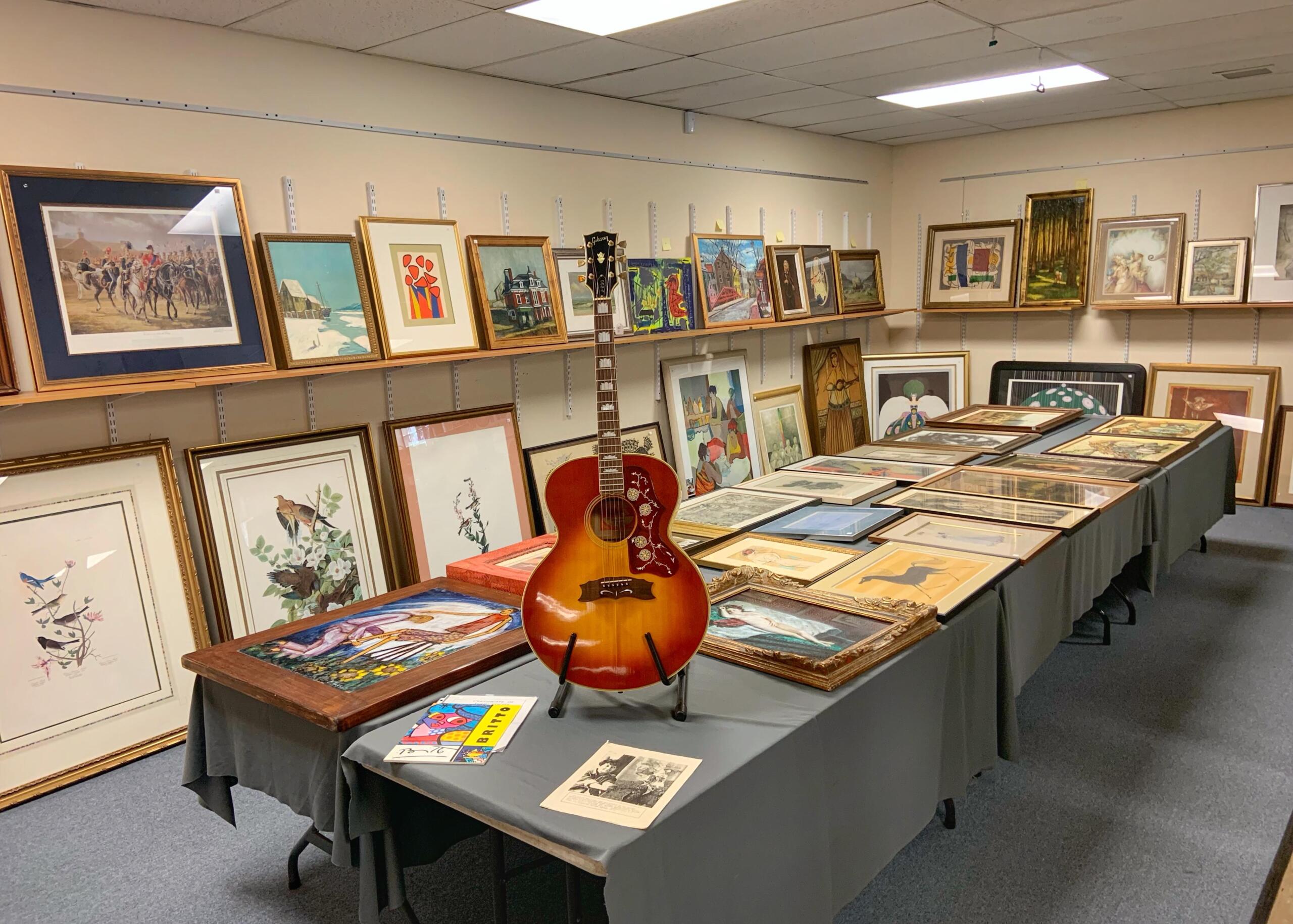
Tom Hall Auctions lists antiques, furniture, fine art, silver, clocks, glass and pottery among the types of property it handles. Its auction selling process includes cataloging, photography and marketing, with commission agreed before consignment.
That does not mean every item is suitable or that bidding guarantees a higher return than another route. Discuss acceptance, charges, timing and arrangements before committing. If you need a formal written valuation, ask about appraisal services as a separate request.
Compare what you keep, not just the headline price
Before choosing a route, ask three questions: What will I receive after agreed costs? What work will I handle? What happens if the property does not sell?
These questions make different offers easier to compare. An auction estimate is guidance, not a guaranteed payment. A dealer offer is a proposed purchase price. An online asking price still needs a buyer.
If you are dealing with the contents of an entire home, the broader estate sale versus auction comparison may also help. For an individual piece or collection in the Lehigh Valley or northeast Pennsylvania, contact Tom Hall Auctions at 610-799-0808 to discuss whether auction consignment fits. Arrange an appointment before bringing items to Schnecksville.